



Neurological Health

Acupuncture influences neurological health by modifying large‑scale brain networks, regulating abnormal neural circuits, and promoting functional reorganization in sensory, motor, and cognitive regions. These effects are documented across fMRI, EEG, PET, and SEEG studies.
May reduce migraines, tics, seizures/epilepsy and support Functional Neurological Disorders, ADD/ADHD and Autism.
Mental Health

Acupuncture supports mental health by modulating neurotransmitters, reducing neuroinflammation, improving neuroplasticity, and regulating the stress-response system (HPA axis). These mechanisms are linked to improvements in depression, anxiety, and other mental health conditions.
Hormonal Health
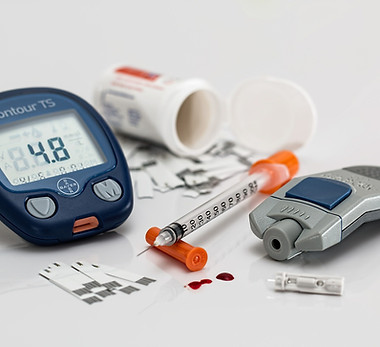
Acupuncture influences hormonal health by interacting with the body’s major endocrine systems — especially those that regulate stress, reproduction, metabolism, and inflammation. These effects are rooted in measurable changes in neuroendocrine signaling, meaning acupuncture can shift how the brain and glands communicate.
Fertility

Acupuncture supports fertility by regulating reproductive hormones, improving ovarian and uterine function, reducing stress‑related disruptions, and enhancing outcomes of fertility treatments like IVF.
Women's Health

Acupuncture supports women’s health by regulating hormones, improving reproductive function, reducing stress, enhancing circulation, and modulating inflammation, all through changes in brain–body communication. It can support and help regulate periods, menopause, fertilty & more.
Men's Health

Acupuncture supports men’s health by regulating testosterone‑related pathways, improving circulation, reducing stress hormones, enhancing sexual and reproductive function, and supporting metabolic and cardiovascular health